

Underground Waste and Recycling Containers
A Modern Solution for Municipal Waste Management
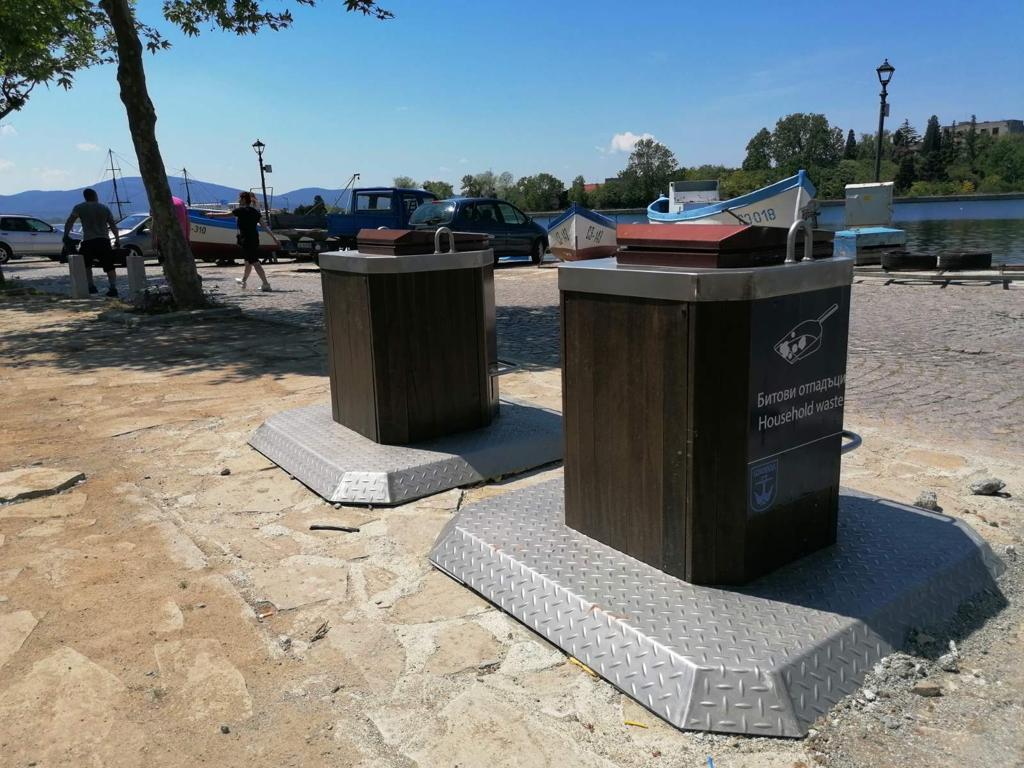
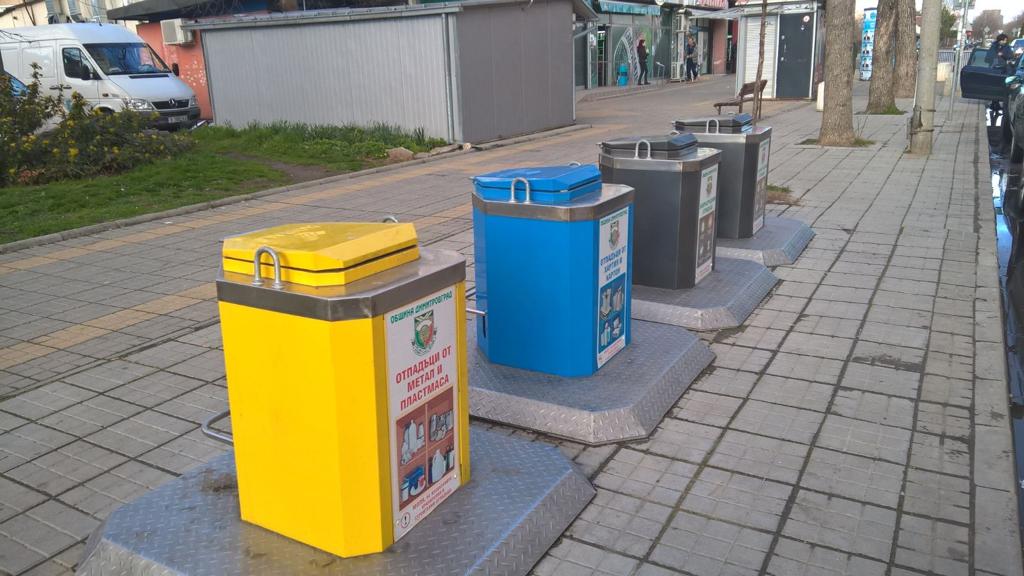
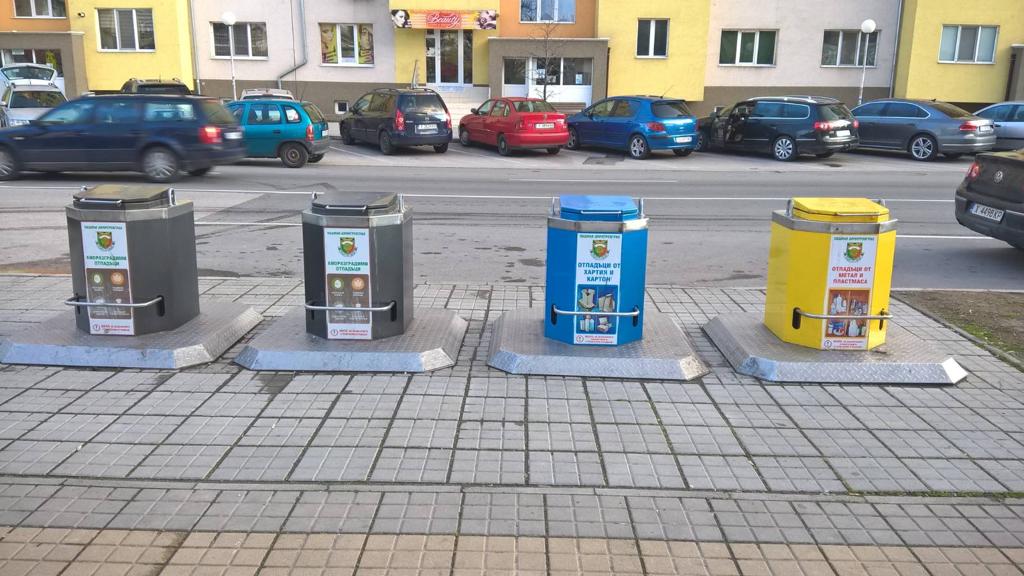
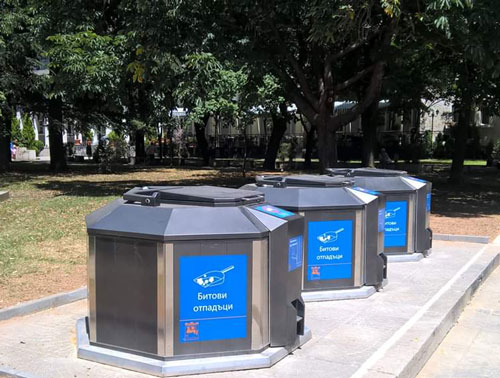
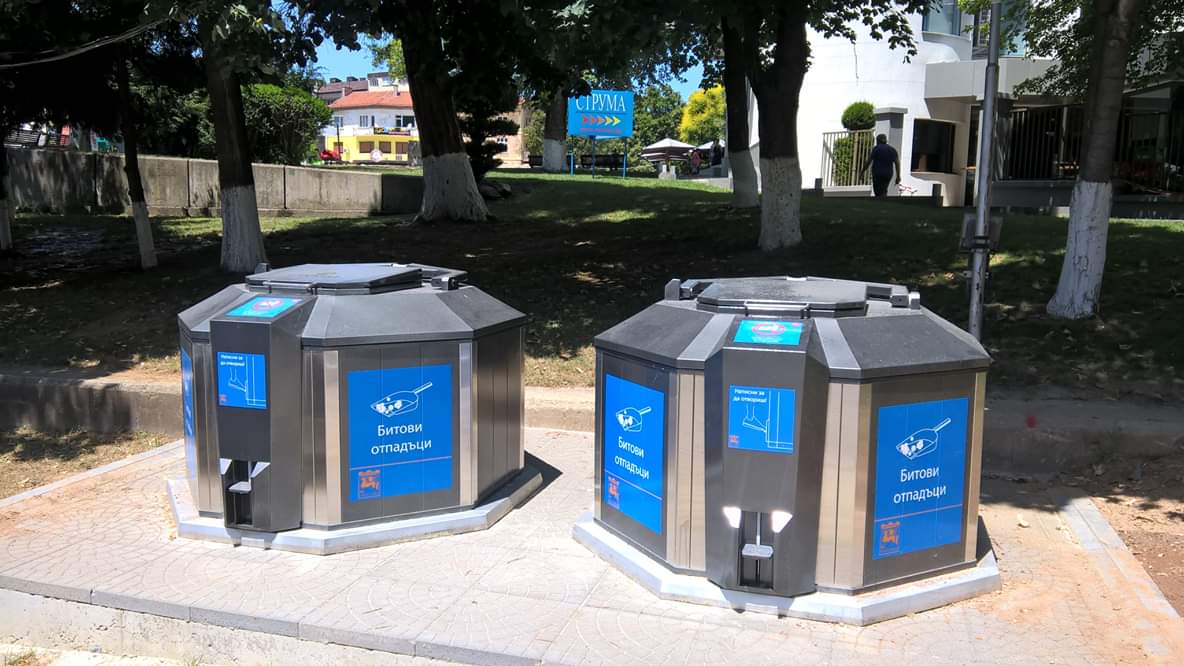
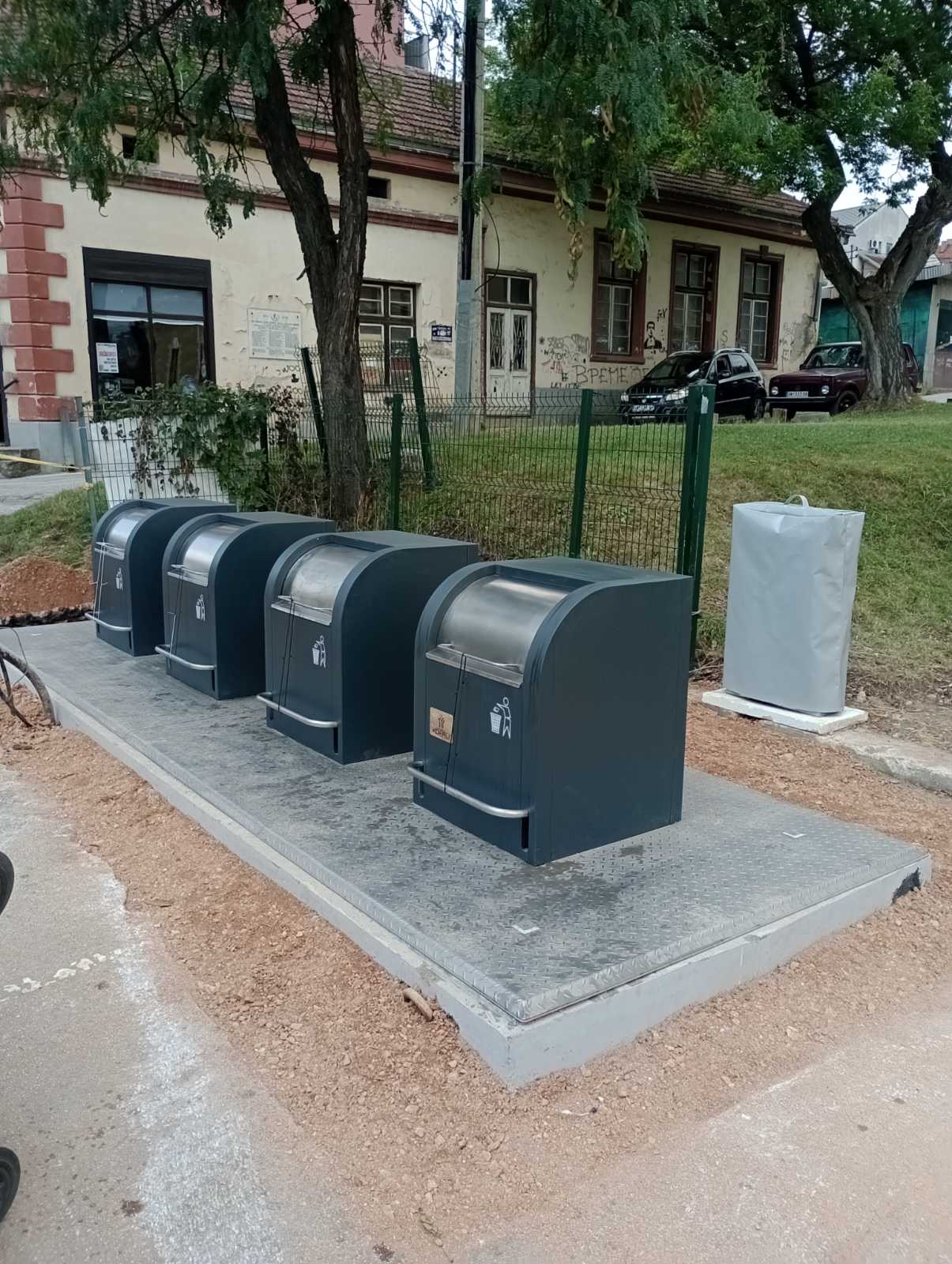
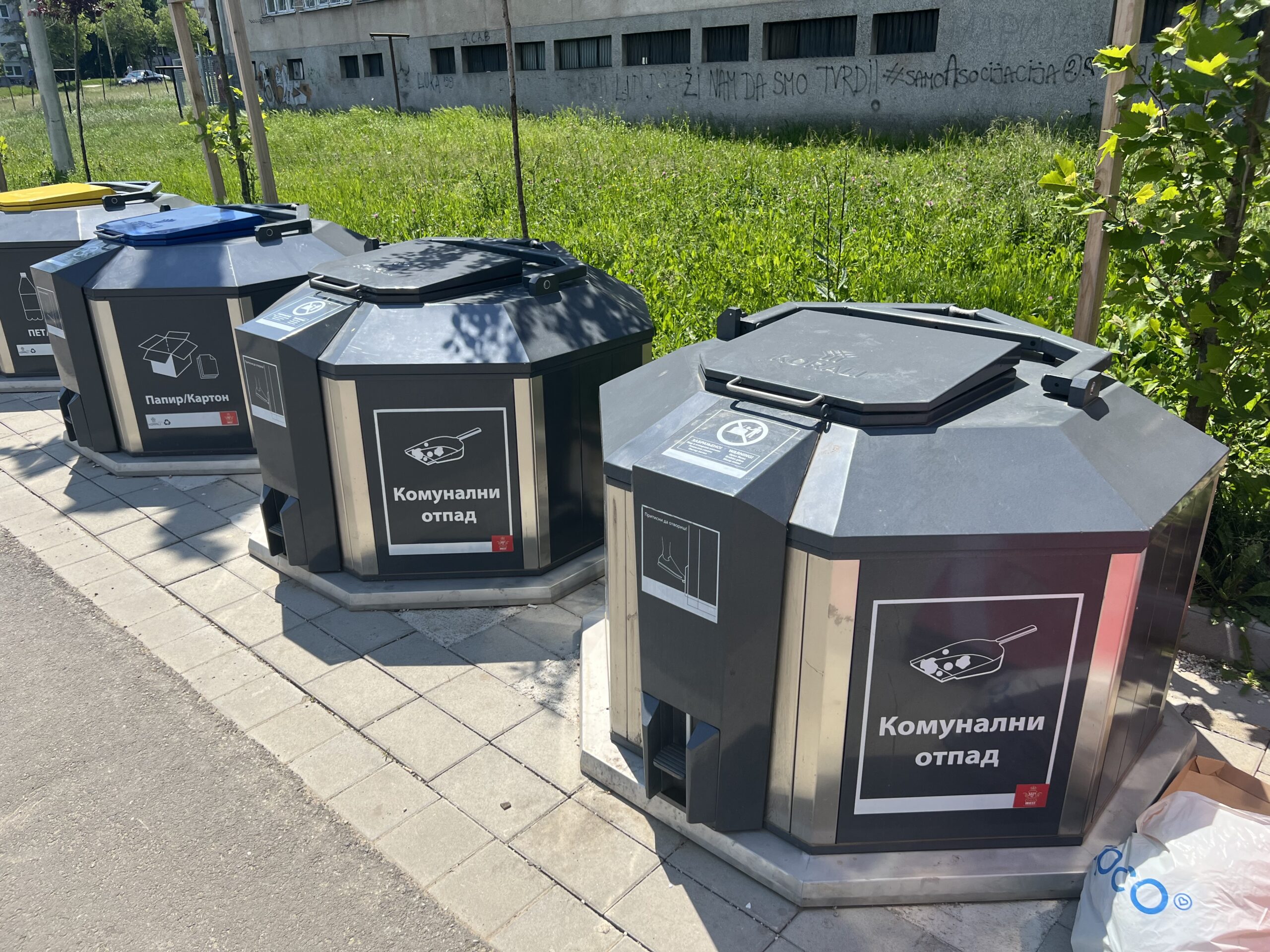
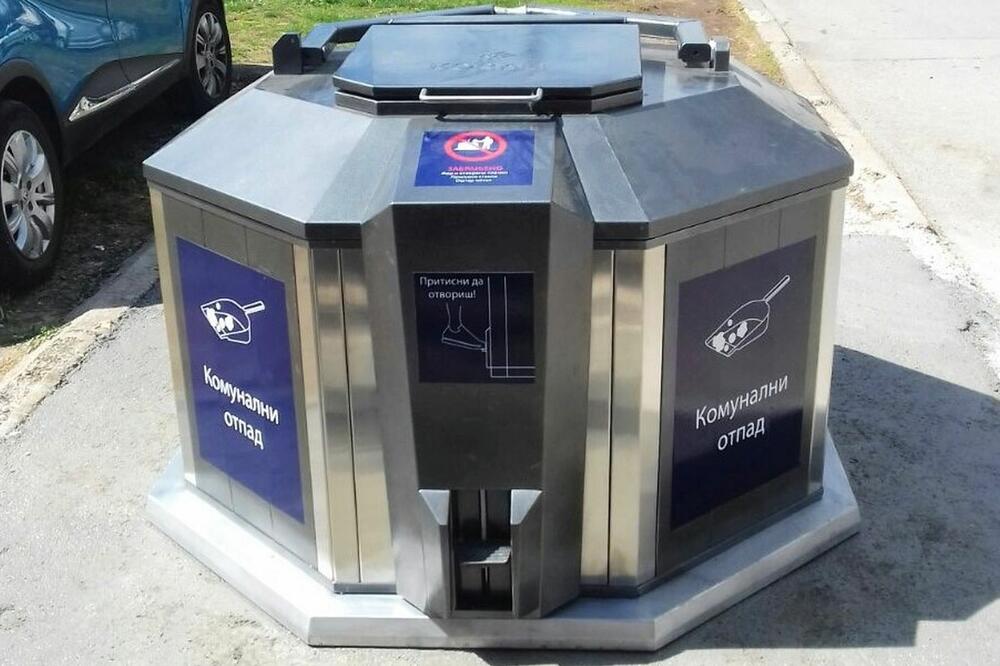
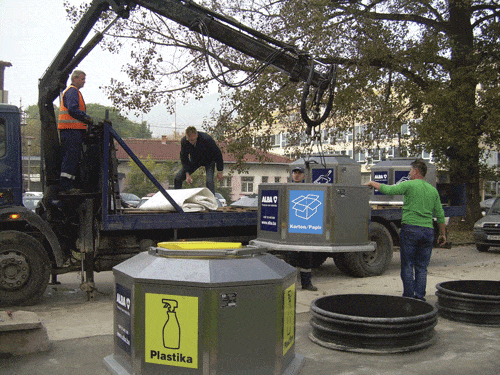
Underground waste and recycling containers are waste collection systems where most of the container volume is placed below ground level, while only the waste inlet column remains visible above the surface. This solution helps create cleaner public spaces, reduce unpleasant odours, improve hygiene, save valuable urban space, and support more efficient collection of municipal and recyclable waste.
KORALI manufactures underground and semi-underground containers designed for cities, municipalities, waste management companies, residential complexes, tourist areas, public institutions, and commercial facilities. Our systems are developed for intensive daily use in urban environments and public infrastructure projects.
As a manufacturer of street and park furniture and public space equipment with more than 30 years of experience, KORALI develops solutions that combine functionality, durability, modern design, and easy maintenance.
What Are Underground Waste Containers?
Underground waste containers are waste collection systems in which the main container body is installed below ground level. Users dispose of waste through an above-ground inlet column, while the larger storage volume remains hidden underground.
Compared to traditional above-ground bins and containers, underground systems take up less visible space, integrate better into architectural and urban environments, and contribute to a cleaner and more organised appearance of public areas.
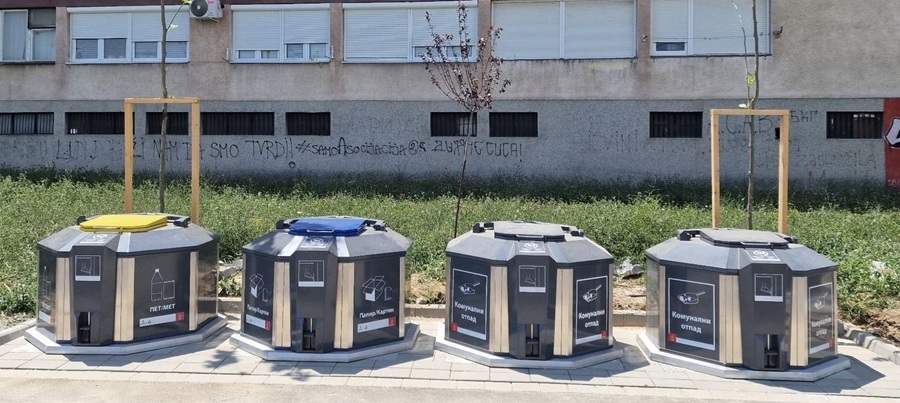
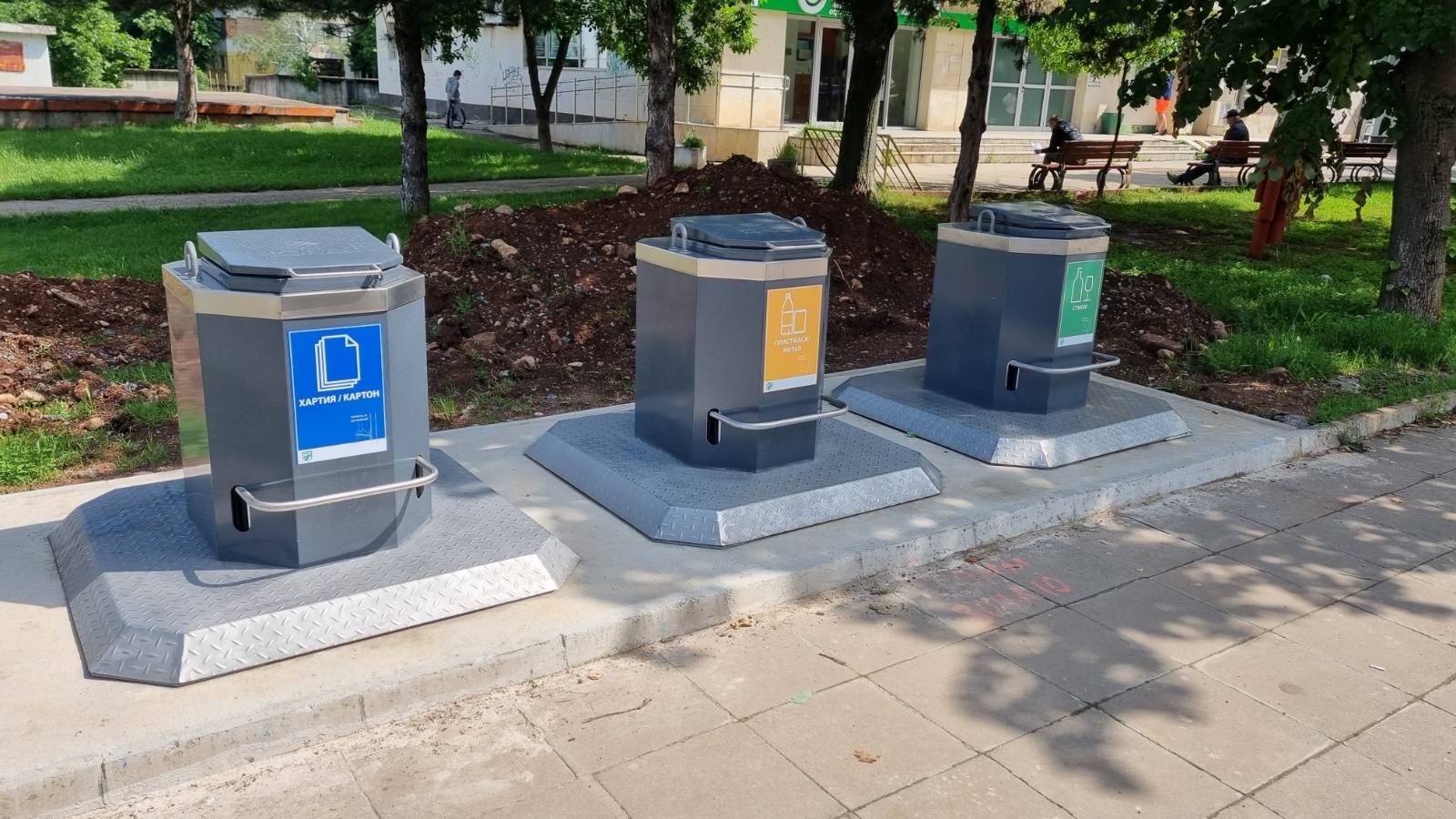
They can be used for municipal waste as well as for separate waste collection and recycling, including paper, plastic, glass, metal, organic waste, and other waste streams.
What Are the Main Advantages of Underground Containers?
Underground containers are especially suitable for areas where large waste storage capacity is required, while maintaining the visual quality and functionality of the surrounding public space.
The main advantages include:
- large waste storage capacity
- fewer emptying cycles compared to conventional containers
- reduced unpleasant odours
- improved hygiene in public areas
- lower visual impact on the environment
- better protection against vandalism and waste scattering
- possibility of separate waste collection and recycling
- long service life
- resistance to outdoor conditions
- compatibility with municipal vehicles and waste collection systems
Thanks to these features, underground waste systems represent a long-term and sustainable solution for modern waste management.
Why Are Underground Containers a Good Solution for Cities and Municipalities?
In urban environments, space is limited and the need for efficient waste collection is constantly increasing. Traditional above-ground containers often occupy pavements, parking areas, pedestrian zones, and other valuable public spaces. They can also negatively affect the overall appearance of the area.
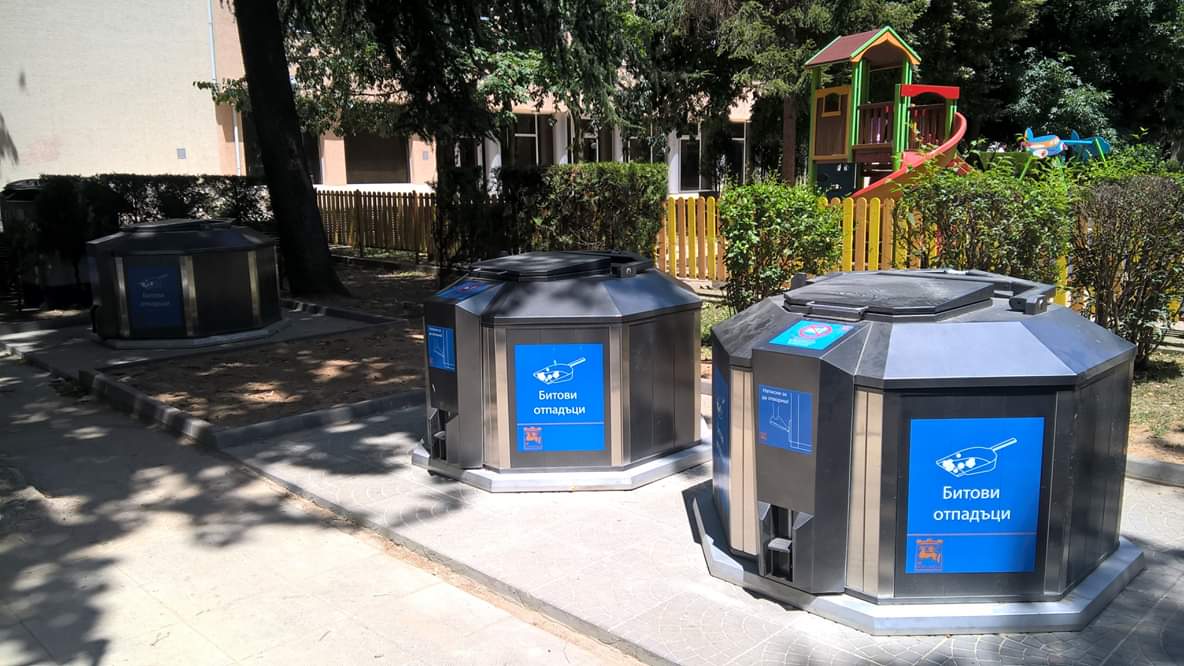
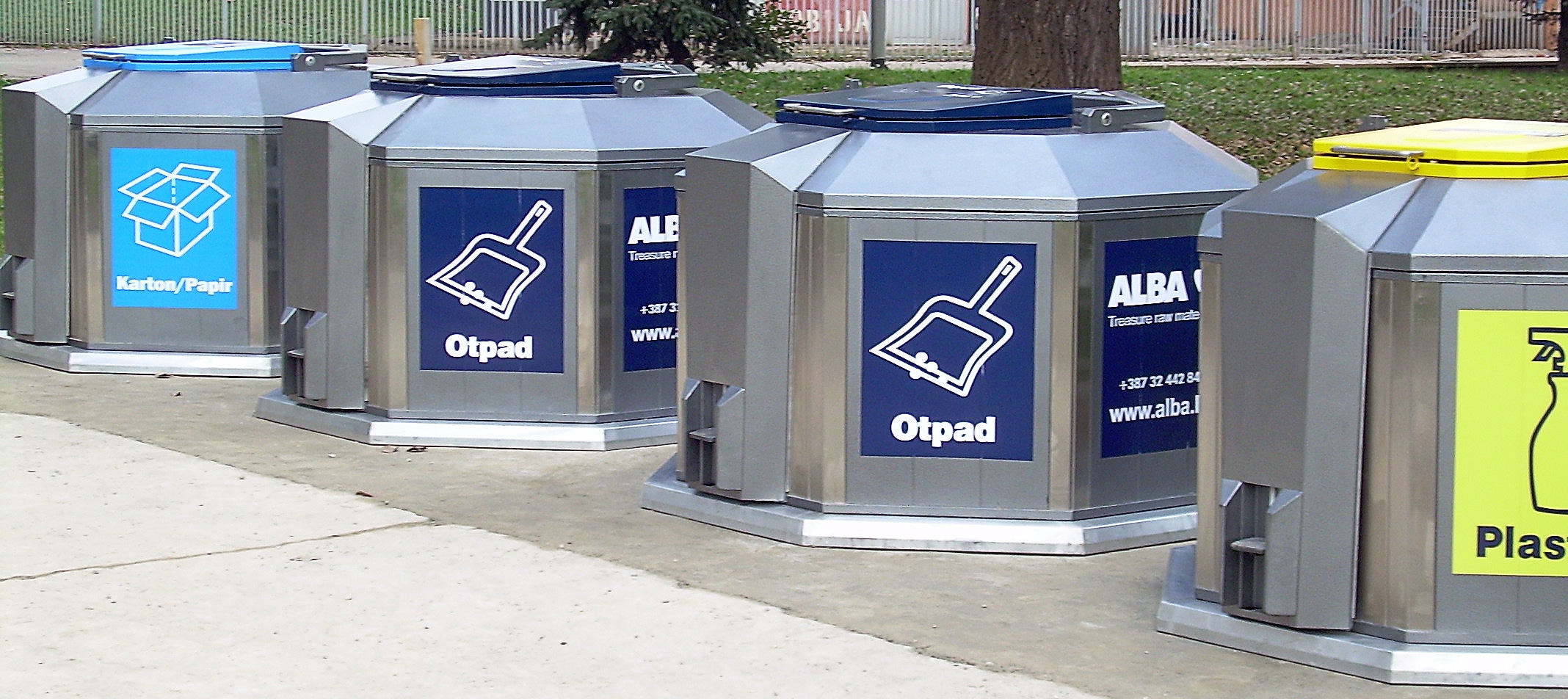
Underground containers solve this problem by placing the main storage volume below the ground. Only the inlet column remains visible, and it can be designed to match the architectural style of the surrounding environment.
They are suitable for:
- city centres
- residential areas
- pedestrian zones
- parks
- squares
- tourist destinations
- hotels and resorts
- shopping centres
- business complexes
- public institutions
These systems contribute to the modernisation of municipal infrastructure and improve the quality of public spaces.
Underground Containers for Waste Separation and Recycling
KORALI underground containers can be used for different types of waste collection. The systems can be adapted to the requirements of local waste management companies, urban planning projects, and investors.
They can be used for:
- municipal waste
- paper and cardboard
- plastic
- glass
- metal
- organic waste
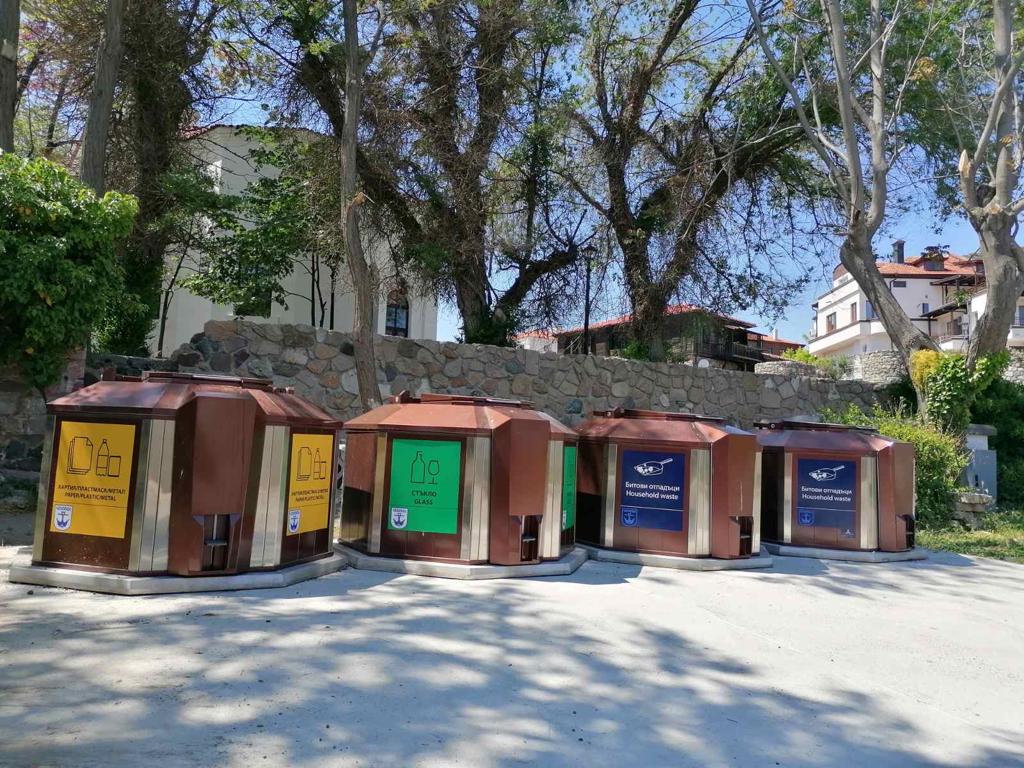
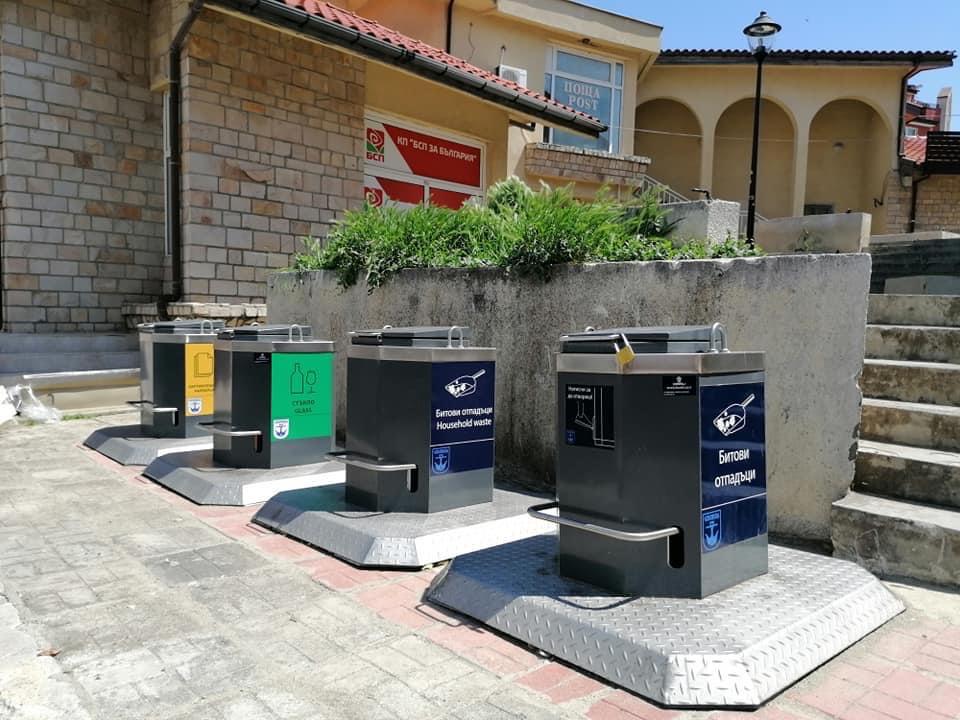
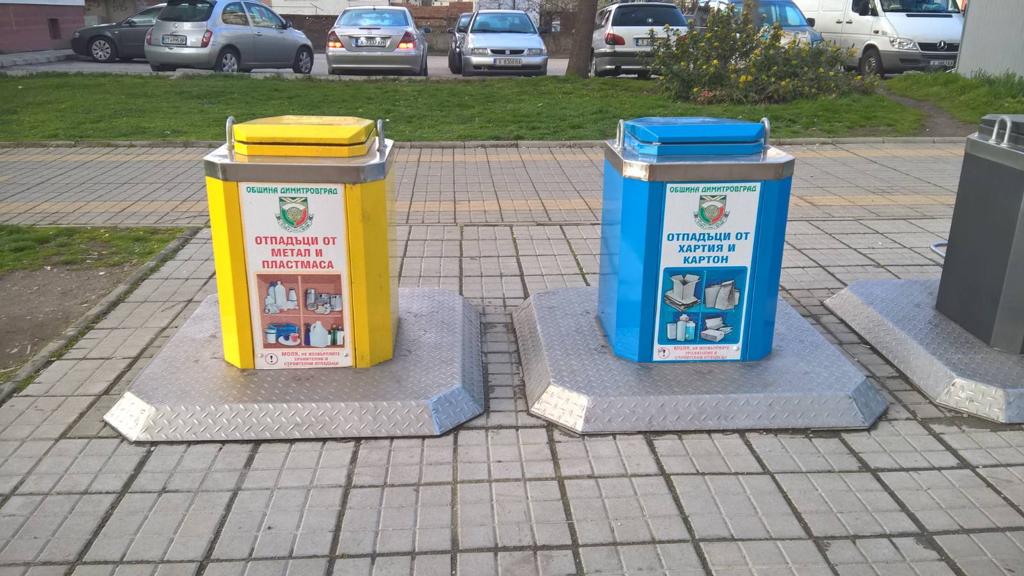
For recycling systems, inlet columns can be marked with different colours, signs, symbols, and pictograms, making it easier for users to separate waste correctly.
How Are KORALI Underground Containers Constructed?
KORALI underground containers are made from high-quality and durable materials, designed for intensive everyday use. The construction is suitable for outdoor conditions, humidity, temperature changes, and mechanical loads.
System features may include:
- steel or galvanised steel construction
- anti-corrosion protection
- hydraulic or mechanical lifting system
- safety mechanisms for use and maintenance
- different types of inlet columns
- possibility of separate waste collection
- design customisation according to project requirements
- production according to the customer’s technical specifications
The system construction is defined according to its purpose, capacity, emptying method, and site conditions.
What Capacities of Underground Containers Are Available?
KORALI manufactures different models of underground and semi-underground containers, depending on the amount of waste, frequency of use, and available installation space.
3 m³ Underground Container
The 3 m³ underground container is commonly used in urban areas, residential neighbourhoods, and public spaces where an optimal balance between capacity, functionality, and space-saving is required.
This model is suitable for locations with daily use and represents a practical solution for waste management companies, municipalities, and investors.
5 m³ Underground Container
The 5 m³ underground container is designed for locations with larger amounts of waste and higher user frequency. It is suitable for urban zones, shopping centres, tourist areas, large residential complexes, and other high-traffic locations.
The larger capacity allows for less frequent emptying and more efficient waste management.
What Are Hydraulic Underground Containers?
Hydraulic underground containers use a lifting system that enables safe and easy handling during emptying and maintenance.
This solution is particularly suitable for high-traffic locations where fast emptying, safety, and a high level of municipal hygiene are required.
Hydraulic systems provide:
- easier container handling
- greater operational reliability
- faster emptying
- better system control
- a higher level of safety for users and municipal workers
How Do Underground Containers Save Space?
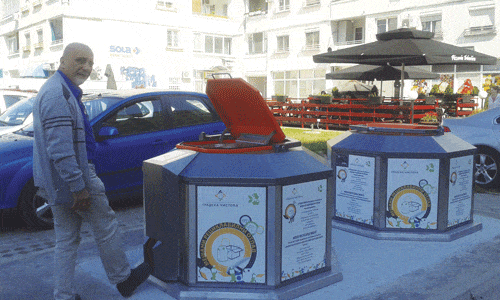
Underground systems free up space on pavements, squares, parking areas, and pedestrian zones. Since the main storage capacity is placed below ground level, only the inlet part of the system remains visible above the surface.
This makes public areas more open, organised, and functional. It is especially important in city centres, tourist areas, and modern residential developments, where the visual quality of the environment plays an important role.
How Do Underground Containers Improve Hygiene and Environmental Protection?
Underground containers improve hygiene because waste is enclosed and stored below the ground. The lower temperature in the underground section can help reduce the spread of unpleasant odours, while the closed system limits contact between waste, people, animals, and insects.
This type of waste collection contributes to:
- reduced unpleasant odours
- cleaner public areas
- less waste scattering
- improved public hygiene
- safer pedestrian zones
- more efficient recycling systems
- modern municipal infrastructure
Underground containers are therefore an important part of sustainable and modern waste management.
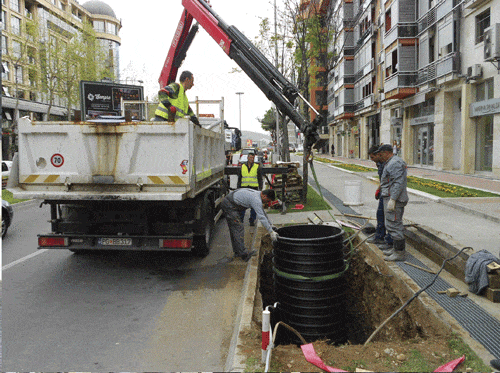
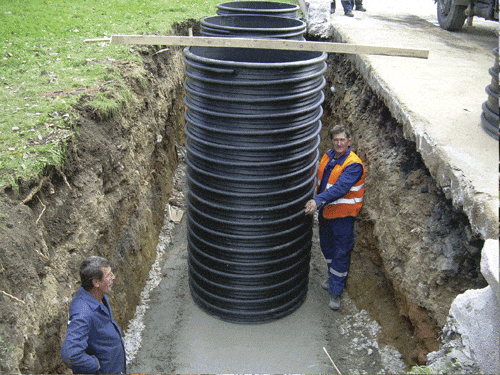
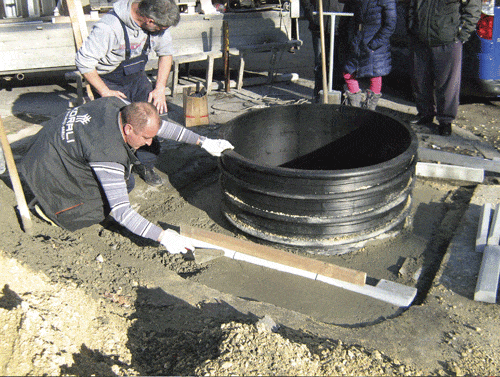
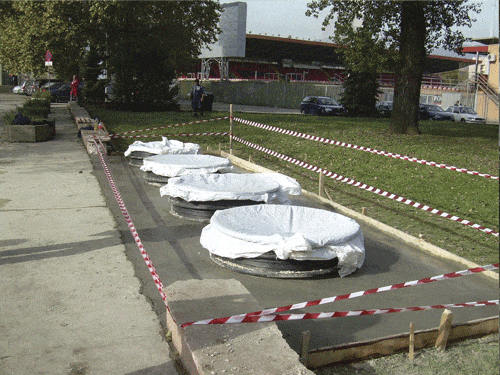
How Are Underground Containers Installed?
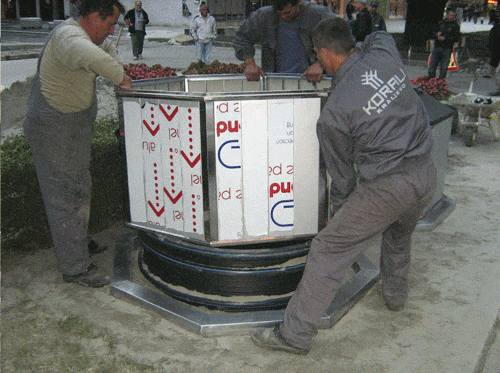
The installation of underground containers depends on the system type, site conditions, capacity, and project requirements. KORALI systems can be installed in different technical configurations.
Installation With a Concrete Chamber
A system with a concrete chamber provides additional reinforced concrete protection and structural stability. This option is used when maximum strength, safety, and long-term durability are required.
Installation Without a Concrete Chamber
Installation without a concrete chamber can be a faster and more cost-effective solution, with optimised civil works. This option depends on the technical conditions of the site and the investor’s requirements.
Before selecting the system, it is recommended to assess the location, access for municipal vehicles, and planned load requirements.
How Are Underground Containers Emptied?
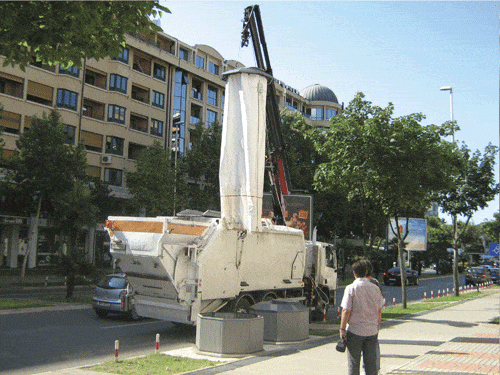
Underground containers are emptied using specialised municipal vehicles equipped with a hydraulic crane or an appropriate lifting system. The container body is lifted from the underground section, emptied into the vehicle, and then returned to its original position.
This system enables fast, safe, and efficient emptying of large quantities of waste.
KORALI underground containers can be adapted to standard emptying systems used by waste management companies in Serbia and across Europe.
Where Are Underground Containers Used?
Underground containers are used in locations where high capacity, clean design, and better control of waste disposal are required.
They are most commonly used in:
- cities and municipalities
- residential complexes
- pedestrian zones
- tourist centres
- shopping centres
- business facilities
- parks
- public areas
- hotels and resorts
- schools and public institutions
Thanks to different capacities and customisation options, these systems can be used in both smaller projects and large infrastructure developments.
Why Choose KORALI Underground Containers?
KORALI is a manufacturer of underground containers, semi-underground containers, and street and park furniture with more than 30 years of experience in designing and manufacturing public space equipment.
Our solutions combine:
- modern industrial design
- high-quality manufacturing
- long service life
- resistance to outdoor conditions
- functionality in everyday use
- customisation according to project requirements
- technical support
- production according to customer specifications
KORALI systems are developed for cities, municipalities, waste management companies, architects, and investors looking for a long-term, functional, and visually refined waste collection solution.